






Keeping Safe While You Run
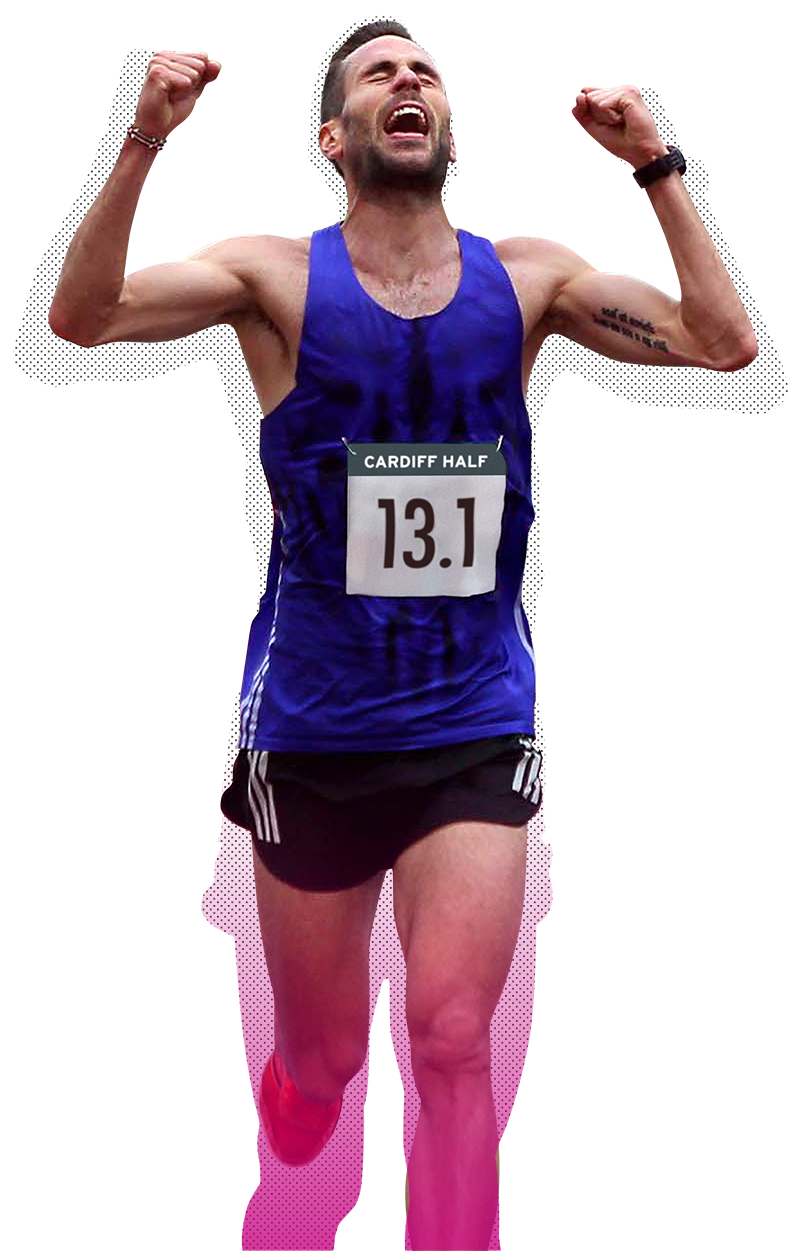
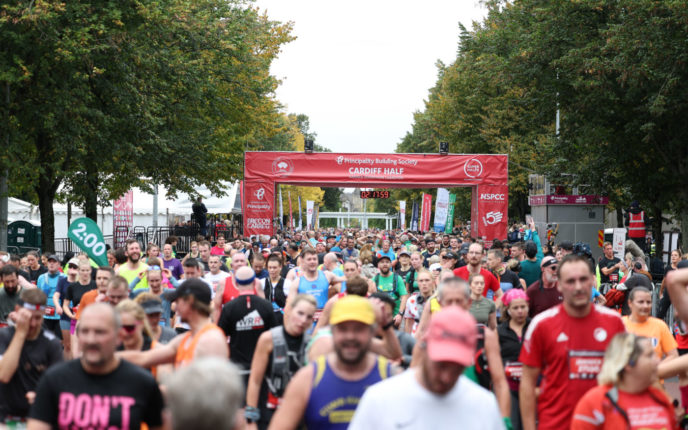
Completing a mass participation race is a huge achievement. Follow these tips to cross the finish line safe, strong, and smiling.
Advice from Dr Katy Guy, MBBCh, FRCEM, DFSEM (U.K.) Dip SEM, a Consultant in Emergency Medicine in Swansea and Medical Director of the Oysho Cardiff Half Marathon.
Katy works with a variety of sports and has been CMO for Team Wales at Commonwealth Games and is an accredited race medical director through World Athletics.
✅ Before the Race
💡 Are You Fit to Run?
- Check with your GP or specialist if you have a medical condition.
- Seek medical advice if you have:
- Family history of heart disease or sudden cardiac death
- High cholesterol or high blood pressure
- Symptoms such as chest pain, palpitations, or breathlessness
⚠️ Don’t ignore warning signs — running with unresolved symptoms can be dangerous.
⏱ Don’t Chase the Clock
- Listen to your body, not your watch.
- If you feel dizzy, faint, or unwell — slow down or stop.
- On hot days, accept a slower pace — overheating can lead to heat stroke.
🏥 Race Day Readiness
- Feeling unwell? Don’t run.
- Diarrhoea/vomiting = dehydration risk
- Recent viral illness = risk of heart inflammation
- Bring your medication (e.g., inhaler if asthmatic).
- Dress smart:
- Lightweight, breathable kit (avoid cotton)
- A visor is cooler than a hat
- Pour water over yourself if overheating
🏷 Mark Your Bib
- Write any medical conditions on the back.
- Add up-to-date emergency contact details.
- ❌ Don’t swap numbers — it risks contacting the wrong person in an emergency.
💧 Hydration & Fuelling
- Drink to thirst, not to a fixed schedule.
- Alternate water with electrolyte drinks.
- Try an electrolyte slushy (frozen sports drink) 10–20 minutes before the race — proven to lower core body temperature by ~2°C.
- After the race: rehydrate with electrolytes and salty snacks.
🏁 At the Finish Line
- ❌ Don’t stop immediately after a sprint.
- ✅ Keep walking to prevent a sudden drop in blood pressure.
- Medals and water are placed further away deliberately — to keep you moving safely.
- Our medical team may remind you to keep walking — not to be unkind, but to protect you.
🩺 After the Race: Common Issues
🔥 Heat Stroke
⚠️ Avoid ibuprofen, diclofenac, Voltaren, or NSAIDs for 48 hours — they can harm your kidneys.
✅ Visit your GP within a week for blood tests if you had heat exhaustion.
❌ No sport for 2–4 weeks after heat stroke.
🔁 Risk of recurrence — ask about heat tolerance testing.
🤢 Persistent Vomiting
- Sip fluids slowly.
- Snack lightly until nausea passes.
🍬 Hypoglycaemia (Low Blood Sugar)
- Can occur if you don’t refuel properly.
- Start glucose intake after ~8 miles (gels/chews).
- Severe cramps may also be linked to low sugar, not just dehydration.
- Review your fuelling plan before your next event.
🧂 Hyponatraemia (Low Sodium)
- Caused by overhydration.
- Drink only when thirsty.
- Add salty snacks post-race.
👟 Sprains, Strains & Blisters
- Break in trainers before race day.
- Use plasters or tape to protect vulnerable skin.
❤️ Pre-Existing Medical Conditions
- Always check with your doctor before racing.
- Let organisers know of any relevant conditions.
🚨 Cardiac Arrest (Rare)
- Seek urgent medical advice if you experience:
- Chest pain
- Dizziness
- Collapse during exercise
- If a family member suffered sudden cardiac death before age 35, ask your GP about screening.
🎉 Final Word
Crossing the finish line is an incredible achievement. Take care of yourself, listen to your body, and celebrate your success safely.
👉 more medical and safety advice here.